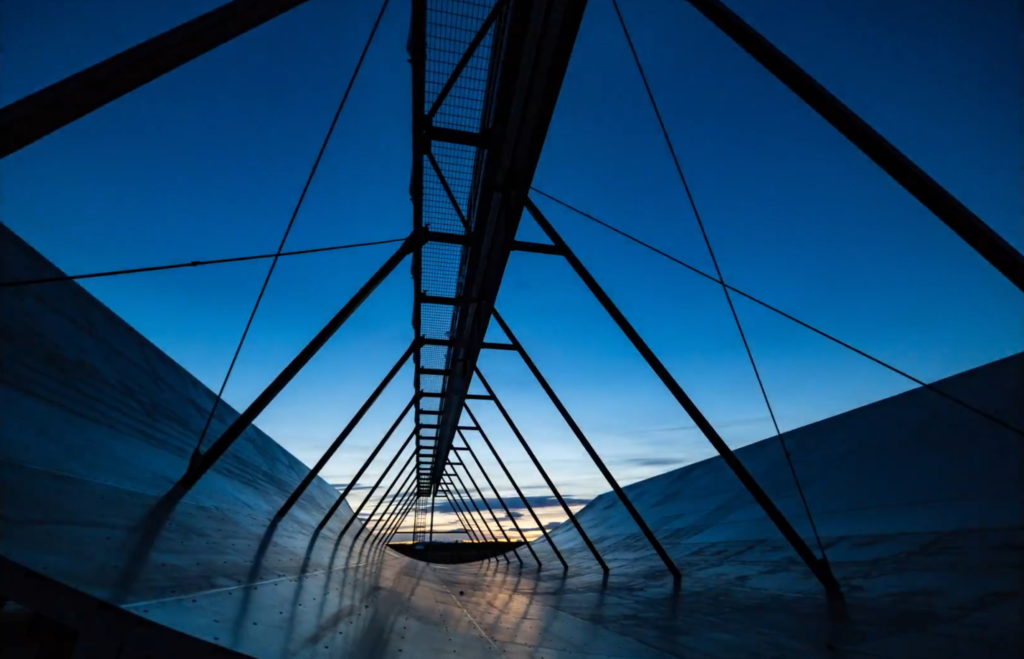
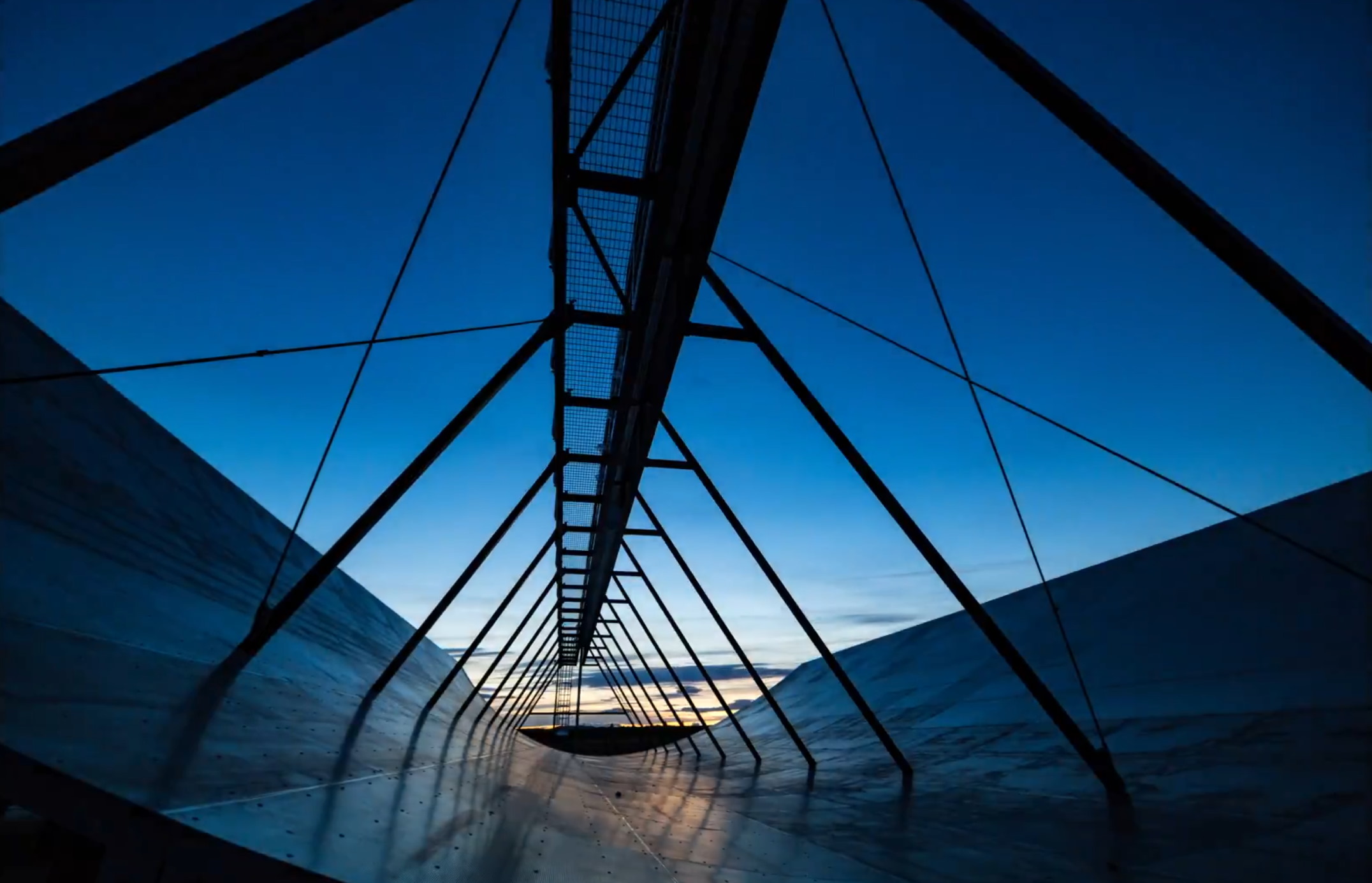
Ask anyone in the space business and they’ll tell you that orbital debris is a serious problem that will only get worse, but dealing with it is as much an opportunity as it is a problem. Leo Labs is building a global network of radar arrays that can track smaller debris than we can today, and with better precision — and the first of its new installations is about to start operations in New Zealand.
There are some 12,000 known debris objects in low Earth orbit, many of which are tracked by the U.S. Air Force and partners. But they only track debris down to 10 centimeters across — meaning in reality there may be hundreds of thousands of objects up there, just as potentially destructive to a satellite but totally unknown.
“Everyone’s flying blind and no one’s really talking about it,” said Leo Labs CEO Dan Ceperly. But his company hopes to change that with a set of advanced radars dedicated to the purpose, and to construct which the company raised $13 million last year.
“We’re extremely excited to show this New Zealand radar, because it’s the first instance of our next generation technology. We launched the company on the …read more
Source:: TechCrunch Gadgets
 Previous post
 Next post